Clinical characteristics, treatment strategies, and long-term outcomes of popliteal artery aneurysms: a single-center retrospective study of 26 patients
 Association between CHA2DS2-VASc score and aortic calcification in patients with atrial fibrillation and its sex-specific predictive value
 Extra-anatomic venous bypass using prosthetic grafts for hemodialysis-related symptomatic central venous stenosis: a single-center retrospective study
 Establishment and preliminary validation of a porcine femoral artery chronic total occlusion-like lesion model induced by combined CaCl2 and FeCl3 treatment
 Clinical value of a machine learning model integrating ultrasound radiomics and clinical features for predicting pathological complete response to neoadjuvant therapy in HER2-positive breast cancer
 Development of a prediction model for high Ki-67 expression in invasive breast cancer based on dual-energy CT quantitative parameters
 Clinical value of ultrasound-guided guidewire localization in reoperation for recurrent metastatic lymph nodes after thyroid cancer surgery
 Anti-tumor effects and potential mechanisms of oyster glycogen in papillary thyroid carcinoma: a network pharmacology and in vitro experimental study
 Comparison and interpretation of Chinese and international expert consensuses on intersphincteric resection from an anatomical perspective
 Complications and surgical optimization of terminal ileostomy: focus on the one-stitch technique
 Short-term outcomes of circular-stapled esophagojejunostomy after totally laparoscopic versus laparoscopy-assisted total gastrectomy: a propensity score-matched study (with video)
 Efficacy and safety of endoluminal vacuum-assisted closure for esophagojejunal anastomotic leakage: a retrospective analysis of 21 cases (with video)
 Guidelines for the diagnosis and treatment of primary liver cancer (2026 edition)
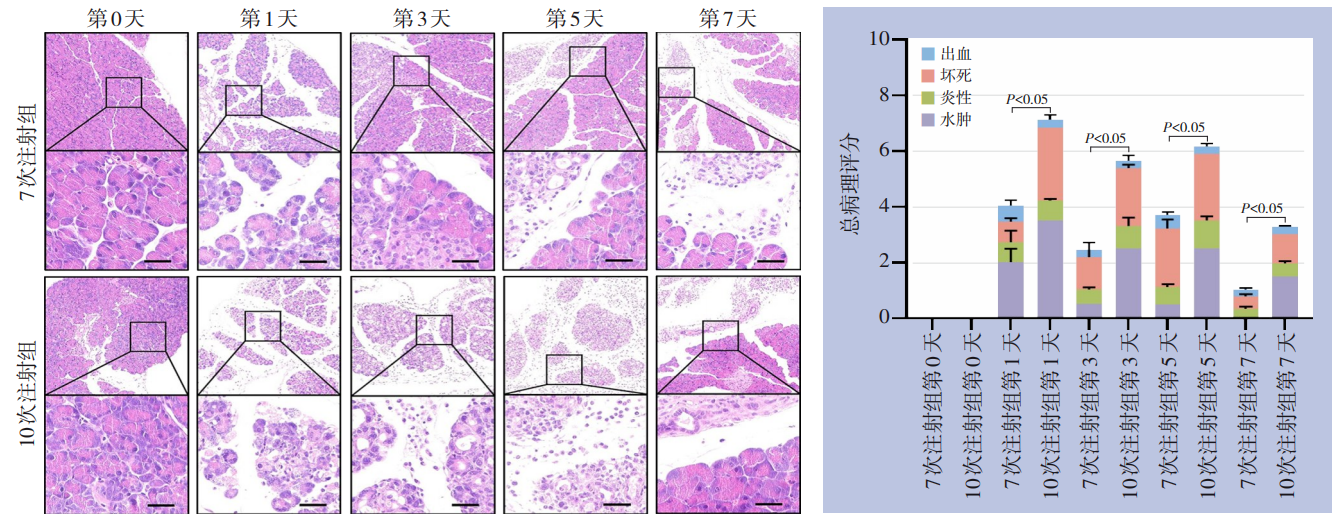 Injury severity-dependent differences in pancreatic regeneration and repair in cerulein-induced acute pancreatitis
- Current Issue
- Published Ahead-of-Print
- Virtual Issues
- Previous Issues
-
2026,35(7):1269-1286, DOI: 10.7659/j.issn.1005-6947.260182
Abstract:
Hepatic osteodystrophy (HOD) is a metabolic bone disorder that occurs in patients with chronic liver disease or following liver transplantation, and is primarily characterized by osteoporosis and/or osteomalacia. Owing to the heterogeneous etiologies of chronic liver diseases, HOD exhibits substantial clinical heterogeneity, making early diagnosis challenging and leading to frequent underrecognition in clinical practice. To date, no universally accepted guideline is available for the diagnosis and management of HOD. The Chinese Medical Association's Medical Cell Biology Branch, Jiangsu Research Hospital Society, Jiangsu Development Biology Society, and Jiangsu Surgical Physicians Association convened a multidisciplinary panel of experts in hepatology, orthopedics, radiology, laboratory medicine, and basic medical sciences. Based on a systematic review of the latest national and international evidence and informed by current clinical practice in China, the panel developed 31 expert recommendations addressing key issues, including the epidemiology, risk factors, pathogenesis, screening and prevention, diagnosis and differential diagnosis, treatment, and follow-up management of HOD, and formulated the Chinese expert consensus on the diagnosis and management of hepatic osteodystrophy (2026 edition). This consensus aims to provide evidence-informed recommendations for the standardized screening, diagnosis, treatment, and long-term management of HOD, thereby improving clinical outcomes and quality of life in affected patients.
-
2026,35(7):1287-1298, DOI: 10.7659/j.issn.1005-6947.260155
Abstract:
Hepatocellular carcinoma (HCC) commonly arises in the setting of chronic liver disease or cirrhosis. In resection-directed management, the focus has shifted from determining whether a tumor is technically resectable to achieving a balance among oncologic control, hepatic reserve, perioperative safety, and eligibility for future treatment after recurrence. Advances in immune checkpoint inhibitor-based antiangiogenic therapy, locoregional treatments, radiotherapy, ablation, and precision hepatectomy have enabled conversion resection or optimization of surgical conditions in selected patients with initially unresectable disease or unfavorable tumor characteristics. Nevertheless, clinically significant portal hypertension, impaired hepatic reserve, treatment-related liver injury, post-hepatectomy liver failure, and acute kidney injury remain major barriers to long-term benefit. Therefore, resection-directed management of HCC should evolve from the concept of "maximum tolerable resection" toward "maximum safe preservation". Comprehensive preoperative assessment should integrate hepatic functional reserve, future liver remnant volume, portal hypertension status, viral activity, and overall physiological fitness to define treatment intensity and safe resection boundaries. During treatment, dynamic reassessment is essential for identifying the optimal timing for conversion surgery or curative locoregional therapy. The selection of locoregional and surgical strategies should balance oncologic efficacy with preservation of liver function, while postoperative and long-term management should focus on functional recovery, recurrence surveillance, and maintenance of retreatment eligibility. Emerging technologies, including artificial intelligence, circulating tumor DNA-based minimal residual disease monitoring, and patient-derived organoid drug-sensitivity platforms, may further facilitate risk stratification and individualized decision-making. Ultimately, the goal of resection-directed comprehensive therapy for HCC extends beyond successful tumor removal to preserving liver function and sustaining long-term therapeutic opportunities throughout the disease course.
-
2026,35(7):1299-1311, DOI: 10.7659/j.issn.1005-6947.260211
Abstract:
With the advancement of hepatopancreatobiliary surgery, the traditional treatment paradigm centered on anatomical resection and structural reconstruction is gradually evolving toward function-oriented decision-making. Increasing evidence indicates that achieving R0 resection and anatomical patency alone is insufficient to optimize long-term outcomes, whereas postoperative loss of organ function, accompanied by metabolic disturbances, nutritional impairment, and reduced quality of life, has become a major determinant of long-term prognosis. Nevertheless, functional preservation poses distinct challenges across different organs. In liver surgery, discrepancies between residual liver volume and actual functional reserve limit the accuracy of current assessment systems. In pancreatic surgery, preservation of pancreatic function is intrinsically constrained by the increased risk of postoperative pancreatic fistula, creating a dilemma between short-term safety and long-term metabolic benefits. In biliary surgery, anatomical reconstruction does not necessarily ensure functional recovery, and increasing attention has been directed toward abnormalities in bile flow dynamics and biliary microbiota homeostasis. This review systematically summarizes the theoretical basis and clinical advances of organ function preservation in the liver, pancreas, and biliary system from the perspectives of functional assessment, surgical decision-making, and underlying biological mechanisms. It further proposes several function-oriented concepts, including the "territory-function balance" in liver surgery, the "function-risk trade-off" in pancreatic surgery, and the "functional safety window" in biliary surgery. Future progress in hepatopancreatobiliary surgery is expected to shift from the pursuit of anatomical success alone toward the establishment of function-oriented decision-making systems, aiming to achieve optimal organ function, metabolic homeostasis, and quality of life while maintaining oncological safety.
- 1
-
ZHANG Pengfei, HU Xiaofeng, JIANG Dengfeng, CHEN Xianglei, ZHAO Pan, HUANG Kun
2026,35(7):1312-1325, DOI: 10.7659/j.issn.1005-6947.260306
Abstract:
Background and Aims Liver cancer and cirrhosis/chronic liver diseases are major contributors to the global burden of liver disease. Their burden and etiologic profiles are influenced by multiple factors, including viral hepatitis, metabolic disorders, alcohol exposure, and population aging, with substantial geographic and population-level differences. As liver disease prevention and control measures continue to advance and risk-factor profiles evolve, the burden and etiologic composition of liver cancer and cirrhosis/chronic liver diseases may also change. This study aimed to systematically assess the burden, temporal trends, and etiologic profiles of liver cancer and cirrhosis/chronic liver diseases globally and in China from 1990 to 2023 using data from the Global Burden of Disease Study 2023 (GBD 2023), and to compare disease burden across socio-demographic index (SDI) strata and age- and sex-specific subgroups in China.Methods Data on incident cases, deaths, age-standardized incidence rates (ASIR), and age-standardized mortality rates (ASMR) for liver cancer and cirrhosis/chronic liver diseases and their major etiologies from 1990 to 2023 were obtained from the GBD Results Tool for the global population, China, and five SDI strata. Estimated annual percentage changes (EAPC) and their 95% confidence intervals (CI) were calculated to assess long-term trends in age-standardized rates. Etiologic proportions and mortality-to-incidence ratios (MIR) were calculated, and EAPC were compared across SDI strata and etiologies. Sex- and age-specific disease burden in China was further assessed for 2023. Etiologic proportions were calculated using the sum of the point estimates for the five included etiologies as the denominator.Results From 1990 to 2023, incident cases of liver cancer in China increased from 100 088 to 165 113, and deaths increased from 92 325 to 143 638. The ASIR decreased from 10.68 to 7.52 per 100 000 (EAPC=-1.386, 95% CI=-1.538--1.233), and the ASMR decreased from 10.13 to 6.44 per 100 000 (EAPC=-1.645, 95% CI=-1.814--1.474). During the same period, incident cases of cirrhosis/chronic liver diseases in China increased from 11 307 703 to 11 449 246, whereas deaths decreased from 164 354 to 120 865; the EAPCs for ASIR and ASMR were -0.789 and -4.014, respectively. The declines in age-standardized rates for both conditions in China were generally greater than those globally and in the corresponding SDI strata. The proportion of HBV-related liver cancer incidence in China decreased from 68.18% to 62.94%, while HBV-related disease accounted for 75.11% of cirrhosis/chronic liver disease deaths in 2023. The proportion of NAFLD-related cirrhosis/chronic liver disease incidence increased from 54.77% to 81.80%, accompanied by an increasing ASIR (EAPC=0.752, 95% CI=0.594-0.910). Globally, the ASIRs of alcohol-related and NASH-related liver cancer increased, with EAPCs of 0.264 and 0.539, respectively. In China, ASIRs for all liver cancer etiologies decreased, although the declines for NASH-related and alcohol-related liver cancer were relatively slower. In 2023, the male-to-female ratios of liver cancer ASIR and ASMR were 3.20 and 3.04, respectively, and the ratio of cirrhosis/chronic liver disease ASMR was 2.88. Individuals aged ≥70 years accounted for 29.96% of liver cancer incident cases, 35.39% of liver cancer deaths, and 38.03% of cirrhosis/chronic liver disease deaths.Conclusion From 1990 to 2023, the age-standardized burden of liver cancer and cirrhosis/chronic liver diseases generally declined globally and in China, although the absolute burden remained substantial. China continued to experience a high HBV-related burden, accompanied by increasing contributions from metabolic and alcohol-related etiologies and a disproportionate burden among males and older adults. Future prevention and control strategies should continue to prioritize viral hepatitis while strengthening the management of metabolic risk factors and alcoholic liver disease and implementing targeted interventions for high-risk populations, particularly males and older adults.
- 1
- 2
- 3
- 4
- 5
- 6
- 7
-
ZHANG Wenxiu, LIU Yongrong, SUN Jichun, JIN Xiaoxin, LIU Min, ZHANG Xin, CHEN Hua, QIN Qin, JIN Yan
2026,35(7):1326-1335, DOI: 10.7659/j.issn.1005-6947.260266
Abstract:
Background and Aims The disease burden of liver cancer in women has evolved substantially with demographic transitions and changes in etiological patterns worldwide. However, comprehensive evidence regarding its long-term epidemiological trends, driving factors, socioeconomic inequalities, and future incidence remains limited. This study aimed to characterize the global burden of female liver cancer from 1990 to 2021, quantify its major drivers and health inequalities, and project future incidence trends based on the Global Burden of Disease (GBD) 2021 database.Methods Data on incident cases and disability-adjusted life years (DALYs) of female liver cancer from 204 countries and territories were extracted from the GBD 2021 database. Temporal trends were assessed using the age-standardized rate (ASR). Decomposition analysis was performed to quantify the contributions of population growth, population aging, and epidemiological changes to variations in incident cases. Socioeconomic inequalities in DALY burden were evaluated using the slope index of inequality (SII) and the concentration index. A Bayesian age-period-cohort (BAPC) model was constructed to project global incidence trends from 2021 to 2050.Results Between 1990 and 2021, the global ASR of female liver cancer declined from 3.80 to 3.36 per 100 000, whereas the number of incident cases increased from 83 362 to 153 802. Decomposition analysis showed that population growth (61.48%) and epidemiological changes (54.46%) were the major contributors to the increase in incident cases, while population aging exerted a negative contribution (-15.94%), with substantial heterogeneity across socio-demographic index (SDI) regions. Age-specific analyses demonstrated that ASR increased markedly after 45-54 years of age, whereas the highest number of incident cases occurred among women aged 70-74 years. During the study period, the SII decreased from 112.11 to 88.19, and the concentration index declined from 0.140 to 0.037, indicating improvements in both absolute and relative socioeconomic inequalities, although a slight pro-rich inequality persisted. The BAPC model projected continued declines in both the global ASR and the expected number of incident cases under a standardized age structure by 2050.Conclusion Although the ASR of female liver cancer has declined globally over the past three decades, population growth has offset these gains, resulting in a sustained increase in the absolute disease burden. The drivers of disease burden differ substantially across socioeconomic settings, and despite improvements in health inequalities, the burden associated with metabolic risk factors in high-SDI regions remains a major concern. Region-specific prevention strategies and enhanced early screening for middle-aged and older women at high risk are warranted to further reduce the global burden of female liver cancer.
- 1
- 2
- 3
- 4
- 5
-
TIAN Tao, GUO Wei, SUN Xiaogang, ZHANG Shuangwei, LI Ning
2026,35(7):1336-1345, DOI: 10.7659/j.issn.1005-6947.250674
Abstract:
Background and Aims Clinical outcomes after targeted therapy vary substantially among patients with primary liver cancer (PLC). Early identification of patients at high risk of poor prognosis is essential for individualized treatment and prognostic assessment. This study aimed to identify risk factors associated with poor prognosis and develop a risk prediction model for PLC patients receiving targeted therapy.Methods Clinical data from 160 PLC patients who underwent targeted therapy between June 2016 and June 2019 were retrospectively collected and followed for 5 years. According to RECIST 1.1, patients were classified into a favorable prognosis group (n=112) and an unfavorable prognosis group (n=48). LASSO regression was used for variable selection, followed by multivariate Logistic regression to identify independent prognostic factors. A risk prediction model was established and evaluated using calibration analysis, the Hosmer-Lemeshow goodness-of-fit test, and receiver operating characteristic (ROC) curve analysis.Results Poor prognosis occurred in 48 patients (30.0%). Ten candidate variables were selected by LASSO regression. Multivariate Logistic regression identified tumor diameter >5 cm (OR=3.216, 95% CI=1.582-6.537), BCLC stage C (OR=2.779, 95% CI=1.367-5.649), Cheng's classification type Ⅱ-Ⅳ portal vein tumor thrombus (OR=4.573, 95% CI=2.191-9.545), incomplete tumor capsule (OR=3.099, 95% CI=1.524-6.300), multinodular confluent tumor margin (OR=4.121, 95% CI=2.027-8.377), and elevated AFP level (OR=2.380, 95% CI=1.171-4.838) as independent predictors of poor prognosis (all P<0.05). The model demonstrated satisfactory performance, with a C-index of 0.784 and good calibration (Hosmer-Lemeshow test, P=0.359). The AUC was 0.851 (95% CI=0.764-0.938), with a sensitivity of 0.846 and a specificity of 0.894.Conclusion Large tumor size, advanced BCLC stage, extensive portal vein tumor thrombus, incomplete capsule, multinodular confluent tumor margin, and elevated AFP level are independent risk factors for poor prognosis in PLC patients receiving targeted therapy. The LASSO-Logistic regression-based model shows good discrimination and calibration and may facilitate risk stratification and individualized clinical management.
- 1
- 2
- 3
-
JIN Kui, LIU Jungui, GUO Yu, NIU Quan, ZHANG Tao, JI Wangming, ZHAO Di, LU Wei, YAN Tao, LEI Lei, DUAN Weihong
2026,35(7):1346-1354, DOI: 10.7659/j.issn.1005-6947.260315
Abstract:
Background and Aims Complex hepatic tumors involving the confluence of the major hepatic veins and the retrohepatic inferior vena cava are extremely challenging to treat with conventional in situ resection. Ex situ liver resection with autotransplantation (ELRA) provides a potential curative option for selected patients; however, its application in children remains rarely reported. This study reports a pediatric ELRA case and discusses its technical feasibility, indications, and long-term complications.Methods The clinical data of a child who underwent ELRA at the PLA Rocket Force Characteristic Medical Center were retrospectively analyzed. Preoperative evaluation, surgical procedures, postoperative recovery, and 8-year follow-up outcomes were reviewed.Results A 6-year-old girl presented with a large hepatic mass. Preoperative imaging revealed tumor involvement of the first and second hepatic hila and the retrohepatic inferior vena cava, making conventional resection technically difficult. After multidisciplinary evaluation, ELRA was performed. The retrohepatic inferior vena cava was reconstructed using an allogeneic common iliac vein graft, and a Y-shaped vascular reconstruction was performed to restore hepatic venous outflow. The anhepatic phase and cold ischemia time were 300 min and 260 min, respectively. Postoperative pathological examination confirmed the diagnosis of inflammatory myofibroblastic tumor of the liver. A postoperative biliary fistula occurred and was successfully managed conservatively. During follow-up, liver function gradually recovered, with Child-Pugh class A maintained. Esophageal varices and splenomegaly developed at 9 months after surgery, followed by regional portal cavernous transformation at 12 months. After 8 years of follow-up, no tumor recurrence was observed, liver function remained normal, and portal hypertension-related manifestations remained stable.Conclusion ELRA is technically feasible for highly selected pediatric patients with complex hepatic tumors. Nevertheless, strict indications, multidisciplinary expertise, and lifelong surveillance are essential because of the risk of long-term outflow obstruction and portal hypertension-related complications.
- 1
- 2
- 3
- 4
- 5
- 6
- 7
-
LI Weinan, LUO Yu, CHEN Hongyu, CHEN Yuqiao, ZHONG Jianqin, LI Jingdong
2026,35(7):1355-1363, DOI: 10.7659/j.issn.1005-6947.260326
Abstract:
Background and Aims Laparoscopic anatomical hepatectomy has been increasingly applied to localized hepatic lesions; however, reports on anatomical segmentectomy or combined subsegmentectomy of the left hepatic lobe remain limited. Surgical access, identification of intersegmental planes, and preservation of major vascular structures remain technically challenging. This study aimed to summarize published cases of laparoscopic anatomical segmentectomy and/or combined subsegmentectomy of the left hepatic lobe and to analyze surgical procedures, operative approaches, intraoperative localization techniques, and perioperative outcomes, thereby providing a reference for standardized application of these procedures.Methods The China National Knowledge Infrastructure, Wanfang Data, VIP, and Chinese Biomedical Literature databases, as well as PubMed, OVID, Embase, and Cochrane Library, were searched for relevant studies of laparoscopic anatomical segmentectomy and/or combined subsegmentectomy of the left hepatic lobe. Two investigators independently screened the literature and extracted data on study characteristics, surgical procedures, operative approaches, anatomical localization techniques, and perioperative outcomes. Descriptive analysis was performed to summarize the available evidence.Results Ten studies involving 60 patients were included, with cases mainly reported from East Asia, including 4 from the Republic of Korea, 51 from Japan, and 5 from China. Among the 56 patients with available sex information, 41 were male and 15 were female. Patient age ranged from 22 to 82 years. Hepatocellular carcinoma was the predominant pathological diagnosis (50 cases). Lesions were mainly located in Couinaud segments S2 and S3, with some involving S4a, S4b, and S1/4; the reported maximum tumor diameter ranged from 0.9 to 6.0 cm. Surgical procedures mainly consisted of isolated segmentectomy or combined segmentectomy. The Glissonean approach was most frequently used, while cranial access, the round ligament approach, left lateral section flip-up technique, and parenchyma-first approach were also adopted according to lesion location and anatomical characteristics. Intersegmental boundaries were mainly identified using ischemic demarcation and ICG fluorescence, with intraoperative ultrasonography and three-dimensional reconstruction used in some cases. Operative time ranged from 115 to 464 min, mostly between 210 and 290 min, while blood loss ranged from 0 to 3 150 mL and was below 300 mL in most cases. Postoperative complications were generally uncommon and included Clavien-Dindo Classification grade I -Ⅱ complications, deep venous thrombosis with pulmonary embolism, and postoperative liver cut-surface fluid collection. All reported complications improved after appropriate management. Postoperative hospital stay ranged from 4 to 30 d.Conclusion Available evidence suggests that laparoscopic anatomical segmentectomy and/or combined subsegmentectomy of the left hepatic lobe is feasible in selected patients. The Glissonean approach combined with ICG fluorescence, intraoperative ultrasonography, and three-dimensional reconstruction may facilitate accurate identification of segmental boundaries and precise resection. However, the current evidence is mainly derived from small case series with substantial heterogeneity. Variations in hepatic pedicles, exposure of the hepatic veins, and control of intersegmental planes remain major technical challenges. Further multicenter studies with larger sample sizes and long-term follow-up are warranted to evaluate the efficacy and safety of these procedures.
- 1
-
CHEN Yongzhi, PENG Rui, ZHOU Ning, LIU Weinan, WANG Guanwu, LIU Wen, LI Jiaxin, HUANG Huaiyin
2026,35(7):1364-1375, DOI: 10.7659/j.issn.1005-6947.260234
Abstract:
Background and Aims Hepatocellular carcinoma (HCC) is characterized by high malignancy, invasiveness, and recurrence rates. Identification of novel molecular biomarkers and therapeutic targets is essential for improving patient outcomes. Nudix hydrolase 1 (NUDT1), a key regulator involved in oxidative stress response and DNA damage repair, has been reported to be dysregulated in various cancers; however, its role in HCC remains unclear. This study aimed to investigate the expression pattern, prognostic significance, and biological function of NUDT1 in HCC.Methods RNA sequencing data from The Cancer Genome Atlas (TCGA), Gene Expression Omnibus (GEO), and clinical samples were analyzed using bioinformatics approaches to identify HCC-associated genes. The expression level, diagnostic performance, and prognostic value of NUDT1 were evaluated. Immunohistochemistry was performed on 60 paired HCC and adjacent normal tissues to validate NUDT1 expression and analyze its association with clinicopathological characteristics and survival outcomes. Stable NUDT1-knockdown HepG2 cells and NUDT1-overexpressing LM3 cells were established. Cell proliferation, colony formation, migration, invasion, and apoptosis were evaluated using the CCK-8 assay, colony formation assay, wound healing assay, Transwell assay, and flow cytometry. The involvement of the PI3K/Akt signaling pathway was further examined using pathway agonists and inhibitors.Results NUDT1 was significantly upregulated in HCC tissues and was associated with poor overall survival, disease-specific survival, and progression-free interval. Immunohistochemical analysis confirmed increased NUDT1 protein expression in HCC tissues, which was correlated with TNM stage, tumor size, and vascular invasion. Functional assays demonstrated that NUDT1 knockdown inhibited HCC cell proliferation, migration, and invasion while promoting apoptosis, whereas NUDT1 overexpression exerted opposite effects. Mechanistically, activation of the PI3K/Akt pathway partially reversed the inhibitory effects induced by NUDT1 knockdown, while PI3K/Akt inhibition attenuated the tumor-promoting effects of NUDT1 overexpression.Conclusion NUDT1 is highly expressed in HCC and associated with poor prognosis. NUDT1 promotes HCC progression through activation of the PI3K/Akt signaling pathway and may serve as a potential prognostic biomarker and therapeutic target.
- 1
- 2
- 3
- 4
- 5
- 6
-
HUANG Liang, SUI Xuan, FENG Jingyi, CAI Hua'an
2026,35(7):1376-1387, DOI: 10.7659/j.issn.1005-6947.250660
Abstract:
Background and Aims Impaired wound healing in diabetic foot ulcers (DFUs) is a major cause of amputation and mortality in affected patients, and its underlying molecular regulatory mechanisms remain incompletely understood. This study aimed to identify key microRNAs (miRNAs) associated with DFU healing through the integration of a competing endogenous RNA (ceRNA) network and weighted gene co-expression network analysis (WGCNA), and to investigate their biological functions in DFU.Methods Expression profile datasets of circRNAs, lncRNAs, miRNAs, and mRNAs related to DFU were obtained from the Gene Expression Omnibus (GEO) database. Differentially expressed RNAs were identified using the limma package, and a ceRNA regulatory network was constructed. WGCNA was subsequently performed to identify key modules and hub genes associated with DFU healing, followed by the establishment of a hub ceRNA subnetwork. Quantitative real-time PCR (qRT-PCR) was used to determine the expression levels of candidate miRNAs in DFU and control tissues. An in vitro high-glucose model was established using human umbilical vein endothelial cells (HUVECs). Following transfection with miRNA mimics or inhibitors, the effects of hsa-miR-155-5p on cell proliferation, migration, invasion, and angiogenesis were evaluated. Western blot analysis was performed to detect the expression of proteins involved in the PI3K/Akt signaling pathway.Results A total of 66 differentially expressed miRNAs were identified, and a DFU-related ceRNA regulatory network was constructed. WGCNA identified a key module significantly associated with DFU healing and six hub genes, namely PDE9A, PADI2, PRR15L, B3GALT5, TMPRSS2, and NWD1. Integration of the ceRNA network further identified hsa-miR-155-5p, hsa-miR-204-5p, and hsa-miR-302d-3p as candidate miRNAs. qRT-PCR validation demonstrated that hsa-miR-155-5p expression was significantly lower in DFU tissues than in control tissues (P<0.05). In vitro experiments showed that overexpression of hsa-miR-155-5p significantly enhanced the proliferation, migration, invasion, and tube formation abilities of HUVECs under high-glucose conditions, while simultaneously increasing the expression levels of phosphorylated PI3K and Akt proteins (both P<0.05).Conclusion Integrated analysis based on the ceRNA network and WGCNA identified hsa-miR-155-5p as a key miRNA associated with DFU healing. hsa-miR-155-5p may promote endothelial cell function and angiogenesis through activation of the PI3K/Akt signaling pathway, suggesting its potential as a therapeutic target for DFU.
- 1
- 2
- 3
- 4
- 5
- 6
- 7
- 8
-
LI Kuangyu, GE Jie, KANG Tingkai, KANG Kuo, TANG Mimi, LIU Heli
2026,35(7):1388-1396, DOI: 10.7659/j.issn.1005-6947.260152
Abstract:
Background and Aims Synchronous liver metastasis is an important determinant of treatment strategy and prognosis in patients with colorectal cancer. Identifying patients at high risk of liver metastasis at initial diagnosis may facilitate risk stratification and individualized management. This study aimed to characterize the clinicopathological and molecular features of synchronous colorectal liver metastasis and to identify its independent associated factors.Methods The clinical data from 373 patients with colorectal cancer who were treated at Xiangya Hospital, Central South University, between January 1, 2016 and December 31, 2023, were retrospectively collected. Patients were divided into a liver metastasis group and a non-liver metastasis group according to the presence of liver metastasis at initial diagnosis. Clinicopathologic characteristics, tumor markers, and molecular features, including KRAS, NRAS, BRAFV600E, and microsatellite instability (MSI) status, were compared between the two groups. Firth penalized Logistic regression was performed to identify independent factors associated with synchronous liver metastasis.Results Among the 373 patients, 92 (24.66%) had synchronous liver metastasis. Univariate analysis showed that tumor location, lymph node metastasis, extrahepatic distant metastasis, carcinoembryonic antigen (CEA), carbohydrate antigen 19-9 (CA19-9), and MSI status were associated with synchronous liver metastasis (all P<0.05). Multivariate Firth regression analysis identified lymph node metastasis (OR=2.828, 95% CI=1.346-6.489, P=0.005), extrahepatic distant metastasis (OR=2.243, 95% CI=1.176-4.279, P=0.014), and positive CEA (OR=4.519, 95% CI=2.537-8.262, P<0.001) as independent risk factors. Rectal primary tumor (OR=0.491, 95% CI=0.278-0.852, P=0.011) and MSI (OR=0.112, 95% CI=0.001-0.917, P=0.039) were independently associated with a lower risk of synchronous liver metastasis.Conclusion Tumor location lymph node metastasis, extrahepatic distant metastasis, and positive CEA were independently associated with an increased risk of synchronous liver metastasis, whereas rectal primary tumor and MSI were associated with a lower risk. These clinicopathological and molecular characteristics may help stratify the risk of synchronous liver metastasis in patients with newly diagnosed colorectal cancer and may provide a basis for further hepatic imaging evaluation and individualized management.
- 1
-
DING Hengyi, LI Yongkun, LI Yufei, ZHAO Dadi
2026,35(7):1397-1405, DOI: 10.7659/j.issn.1005-6947.250285
Abstract:
Background and Aims Proximal gastrectomy is an important surgical procedure for upper gastric cancer; however, postoperative reflux esophagitis (RE) remains a common complication that significantly affects patients' quality of life. Few studies have investigated the risk factors and prediction models for RE after proximal gastrectomy. This study aimed to identify independent risk factors for postoperative RE and to construct and validate a nomogram for individualized risk prediction.Methods A total of 100 patients with gastric cancer who underwent radical proximal gastrectomy between October 2022 and October 2024 were enrolled. Patients were divided into the RE group and the non-RE group according to the occurrence of RE during the 6-month follow-up. Clinical characteristics, tumor-related factors, surgical factors, and postoperative complications were compared between groups. Independent risk factors for postoperative RE were identified using univariate analysis and multivariate Logistic regression analysis. A nomogram model was developed based on independent risk factors and evaluated using receiver operating characteristic (ROC) curve analysis, the Hosmer-Lemeshow (H-L) test, and decision curve analysis.Results Among the 100 patients, 24 (24.0%) developed postoperative RE. Significant differences were observed between the RE and non-RE groups regarding digestive tract reconstruction methods, esophageal resection length, and postoperative gastric emptying disorder (all P<0.05). Multivariate Logistic regression analysis demonstrated that anterior esophagogastric anastomosis (OR=5.842, 95% CI=4.621-7.062), longer esophageal resection length (OR=2.735, 95% CI=1.023-4.446), and postoperative gastric emptying disorder (OR=3.136, 95% CI=1.035-5.237) were independent risk factors for postoperative RE. The nomogram model showed good predictive performance, with an area under the ROC curve (AUC) of 0.784 (95% CI=0.701-0.858). The H-L test indicated good calibration (χ2=1.434, P=0.261), and decision curve analysis demonstrated favorable clinical utility.Conclusion Digestive tract reconstruction methods, esophageal resection length, and postoperative gastric emptying disorder are independent risk factors for RE after proximal gastrectomy. The proposed nomogram model may provide an effective tool for risk stratification and individualized prevention of postoperative RE.
- 1
- 2
-
WU Guoshuai, XIE Zhi, WANG Jingjing, YANG Dancairang, ZHOU Ying, FAN Haining, FENG Xiaobin, ZHANG Lingqiang, XU Xiaolei
2026,35(7):1406-1418, DOI: 10.7659/j.issn.1005-6947.260269
Abstract:
Hepatocellular carcinoma (HCC) is characterized by marked biological heterogeneity, and patients with intermediate- or advanced-stage disease often present with high tumor burden, portal vein tumor thrombus, or extrahepatic progression, making it difficult for a single local or systemic treatment modality to achieve adequate intrahepatic tumor control while addressing systemic disease. Yttrium-90 selective internal radiation therapy (90Y-SIRT) selectively delivers radioactive microspheres through the hepatic artery and is characterized by precise local irradiation, limited embolic effects, and the potential for personalized dosimetry. It has therefore become an important transarterial treatment modality for HCC. This review summarizes the therapeutic principles and dosimetric basis of 90Y-SIRT and focuses on its clinical application in intermediate- and advanced-stage HCC, including comparisons with transarterial chemoembolization (TACE), its use in advanced HCC and patients with portal vein tumor thrombus, and its sequential or combined use with targeted therapy, immunotherapy, and targeted therapy plus immunotherapy. The evidence for combination or sequential treatment with TACE, as well as conversion hepatectomy, downstaging before liver transplantation, and bridging therapy after 90Y-SIRT, is also reviewed. Current evidence suggests that 90Y-SIRT can provide durable intrahepatic tumor control in selected patients with predominantly liver-limited disease and preserved liver function and may create opportunities for subsequent systemic or potentially curative treatment. Personalized dosimetry and higher absorbed tumor doses appear to be associated with tumor response and survival outcomes. However, evidence supporting combinations with systemic or immune therapies remains largely derived from retrospective studies and small, single-arm prospective trials, and the optimal patient selection, dosimetric strategy, treatment sequence, and long-term benefits remain uncertain. Future prospective multicenter randomized studies should focus on patient selection and personalized dosimetry, clarify optimal combinations and treatment sequences with systemic therapy, and establish comprehensive endpoints incorporating tumor control, hepatic function, conversion to curative treatment, and quality of life, thereby facilitating the standardized application of 90Y-SIRT in the multidisciplinary management of intermediate- and advanced-stage HCC.
-
2026,35(7):1419-1431, DOI: 10.7659/j.issn.1005-6947.260255
Abstract:
Hepatic reserve is an important determinant of treatment tolerance and prognosis in patients with hepatocellular carcinoma (HCC). However, currently available assessment systems were largely developed in the eras of hepatectomy and locoregional therapies and may have limited ability to capture dynamic changes in hepatic function and distinguish different patterns of treatment-related liver injury in the era of targeted and immune therapies. This review systematically summarizes commonly used approaches for assessing hepatic reserve and analyzes the major mechanisms underlying hepatic reserve impairment induced by hepatectomy, transarterial chemoembolization (TACE), hepatic arterial infusion chemotherapy (HAIC), radiotherapy, molecular targeted therapy, and immune checkpoint inhibitors (ICIs). Different treatment modalities exhibit distinct initiating events and molecular mechanisms. Hepatectomy mainly reduces hepatic reserve through loss of functional liver parenchyma and ischemia-reperfusion injury. TACE causes hepatic injury through a combination of ischemic necrosis and chemotherapy-induced cytotoxicity, whereas HAIC is primarily associated with the direct toxicity of high-concentration chemotherapeutic agents. Tyrosine kinase inhibitors may induce hepatic injury through mitochondrial dysfunction, oxidative stress, endoplasmic reticulum stress, and impaired bile acid transport, while anti-vascular endothelial growth factor (VEGF) monoclonal antibodies mainly cause indirect injury through hepatic sinusoidal endothelial and microcirculatory disturbances. In contrast, immune checkpoint inhibitor-related immune-mediated liver injury is characterized predominantly by aberrant T-cell activation and immune-inflammatory responses and differs mechanistically from conventional drug-induced liver injury. Based on these findings, we further characterize four high-risk phenotypes, including high baseline liver disease activity, immune susceptibility, advanced age with low hepatic reserve, and cumulative hepatic injury after conversion therapy. Comprehensive prevention and management strategies are proposed, including individualized treatment selection, dynamic monitoring during the peri-treatment period, and risk-adapted hepatoprotective interventions. In conclusion, treatment-associated hepatic reserve impairment in HCC is heterogeneous according to both treatment modality and patient characteristics. Multidimensional dynamic assessment and mechanism-based risk stratification may facilitate a better balance between antitumor efficacy and hepatic safety.
-
PENG Xuehui, WANG Chaoqun, ZHENG Lu
2026,35(7):1432-1440, DOI: 10.7659/j.issn.1005-6947.260033
Abstract:
Aldo-keto reductase family 1 member B10 (AKR1B10) is an NADPH-dependent reductase that is aberrantly expressed in hepatocellular carcinoma (HCC) and is involved in metabolic reprogramming, tumor cell proliferation, immune microenvironment regulation, and therapeutic resistance. This review summarizes the expression characteristics, oncogenic mechanisms, diagnostic and prognostic value, and clinical translational potential of AKR1B10 in HCC. Current evidence indicates that AKR1B10 is frequently elevated in HCC tissues and serum, and that its combination with alpha-fetoprotein (AFP) may improve the auxiliary detection of HCC, particularly in patients with AFP-negative disease. Mechanistically, AKR1B10 may promote HCC progression by stabilizing acetyl-CoA carboxylase α and enhancing lipid synthesis, disrupting retinoic acid metabolism, activating the PI3K/Akt pathway, and participating in autophagy, epigenetic regulation, immune microenvironment remodeling, and multiple drug-resistance networks. However, the associations of AKR1B10 with tumor invasion, metastasis, and patient outcomes remain controversial. In some studies of tumor tissues, high AKR1B10 expression has been associated with lower tumor stage, less vascular invasion, and better prognosis, whereas elevated serum levels and high transcriptomic expression in some public databases have been linked to greater tumor burden and poorer survival. These discrepancies may be attributable to differences in biospecimen type, tumor differentiation and disease stage, etiological background, treatment modalities, and intratumoral heterogeneity. Although AKR1B10 shows potential as an auxiliary biomarker and therapeutic target for HCC, its clinical application is limited by the lack of standardized detection protocols and high-quality prospective evidence. Future studies should focus on etiology- and stage-stratified multicenter prospective validation, establishment of standardized detection and risk-stratification systems, clarification of the stage-specific biological functions of AKR1B10, and development of highly selective inhibitors and biomarker-guided combination therapies to facilitate its translation from basic research to precision diagnosis and treatment.
-
ZHANG Yanze, CHEN Xuyong, WANG Min
2026,35(7):1441-1452, DOI: 10.7659/j.issn.1005-6947.260312
Abstract:
Metabolic dysfunction-associated steatotic liver disease (MASLD) has become one of the most prevalent chronic liver diseases worldwide, and conventional metabolic risk factors alone cannot fully account for its rapidly increasing disease burden. In recent years, endocrine-disrupting chemicals (EDCs) have emerged as important environmental risk factors for MASLD. Increasing epidemiological evidence suggests that exposure to bisphenols, phthalates, per- and polyfluoroalkyl substances, persistent organic pollutants, and heavy metals is associated with hepatic steatosis, liver enzyme abnormalities, and liver fibrosis. Experimental studies indicate that EDCs contribute to MASLD by disrupting nuclear receptor-mediated transcriptional regulation, inducing mitochondrial dysfunction and oxidative stress, impairing gut microbiota homeostasis and the gut-liver axis, and potentially exerting long-term or transgenerational effects through epigenetic mechanisms. Preventive strategies aimed at reducing environmental exposure, optimizing lifestyle interventions, and targeting metabolic pathways may offer therapeutic potential; however, specific biomarkers and high-quality clinical evidence for EDC-related MASLD remain limited. This review summarizes the epidemiological evidence, molecular mechanisms, and prevention strategies linking EDCs to MASLD, and discusses future research priorities to facilitate risk assessment, precision prevention, and clinical translation.
-
HALIZHATI· Halimulati, LI Xinxi, ZHANG Lei, ZAIYING· Yeerbao, ADILAI· Adilijiang, RU Xiangxiang, DILINUERKEZI· Abulimiti, LI Donglin, DENG Yuxin, CHEN Li, GULITEKEN·Aihemaitijiang, TIAN Ye
2026,35(7):1453-1463, DOI: 10.7659/j.issn.1005-6947.260304
Abstract:
In-stent restenosis (ISR) remains a major challenge limiting long-term patency and limb outcomes after endovascular treatment for lower extremity arteriosclerosis obliterans. Unlike coronary arteries, lower extremity arteries, particularly the superficial femoral artery, are continuously exposed to complex biomechanical stresses including bending, stretching, compression, and torsion. Consequently, the development of ISR is driven by the interaction of multiple mechanisms, including vascular injury, inflammatory and immune responses, vascular smooth muscle cell phenotypic switching, metabolic reprogramming, endothelial repair dysfunction, and in-stent neoatherosclerosis. This review summarizes recent advances in the pathophysiological mechanisms of lower extremity arterial ISR and discusses the clinical value and limitations of molecular biomarkers, including inflammatory markers, platelet function indicators, and non-coding RNAs, in risk stratification and prognostic assessment. Furthermore, diagnostic approaches and endovascular reintervention strategies for different ISR phenotypes are reviewed based on the Tosaka classification and intravascular imaging modalities such as intravascular ultrasound and optical coherence tomography. Future research should focus on biomechanical-biological interactions, cellular heterogeneity, multi-omics technologies, and artificial intelligence-assisted imaging to establish mechanism-based risk prediction and precision management strategies for improving individualized treatment and long-term outcomes in patients with lower extremity arterial ISR.
Volume 35,2026 Number 7
GUIDELINE AND CONSENSUS
COMMENTARY
SPECIALIST FORUM

MONOGRAPHIC STUDY


BASIC RESEARCH


CLINICAL RESEARCH


REVIEW
-
Abstract:
Background and Aims: Inflammation may contribute to the development and progression of pancreatic cancer; however, conventional observational studies have difficulty distinguishing the potential causal relationships between circulating inflammation-related proteins and pancreatic cancer risk from disease-related secondary changes. This study aimed to systematically investigate the potential causal associations between circulating inflammation-related proteins and pancreatic cancer risk using genetic epidemiological approaches and to prioritize candidate proteins with relatively consistent genetic evidence. Methods: Publicly available genome-wide association study (GWAS) summary statistics were used to perform a two-sample Mendelian randomization (MR) analysis of 91 circulating inflammation-related proteins and pancreatic cancer risk. The inverse-variance weighted (IVW) method was used as the primary analytical approach, complemented by weighted median, MR-Egger regression, and weighted mode analyses for robustness assessment. Candidate proteins meeting the prespecified screening criteria were further evaluated using multivariable Mendelian randomization (MVMR) and Mendelian randomization Bayesian model averaging (MR-BMA) to assess their conditional effects and relative model support. Heterogeneity, horizontal pleiotropy, instrument strength, and statistical power were also evaluated. Results: Univariable MR analysis identified five candidate proteins showing nominal associations with pancreatic cancer risk and consistent effect directions across MR methods. Genetically predicted higher levels of cystatin D, CXCL6, and LIFR were associated with increased pancreatic cancer risk, whereas higher levels of IL-2 and IL-24 were associated with lower risk. In subsequent MVMR analyses, CXCL6 was the only protein that consistently retained a positive association across MVMR-IVW, MVMR-Egger, and MVMR-LASSO models. MR-BMA further showed that CXCL6 had the highest marginal inclusion probability (MIP=0.569), with the empirical P value remaining significant after Benjamini-Hochberg correction (P=0.005). Sensitivity analyses revealed no substantial evidence of heterogeneity or directional horizontal pleiotropy. The minimum single-SNP F statistic and conditional F statistic for CXCL6 were 22.67 and 17.49, respectively, with an estimated statistical power of 70.7%, indicating adequate but limited power to detect modest effects. Conclusion: This study identified five circulating inflammation-related proteins potentially associated with pancreatic cancer risk among 91 candidates. CXCL6 showed relatively consistent genetic evidence across MVMR and MR-BMA analyses and may represent a priority candidate for further investigation of inflammation-related pathways in pancreatic cancer susceptibility. However, the current evidence is insufficient to establish a definitive causal relationship between CXCL6 and pancreatic cancer, and further validation in independent populations and tissue-based and functional studies is warranted.
-
Yuanyuan Wu, Huini Liu, An Yan, Hongwei Zhu, XU Long
Abstract:
Background and Aims: Dietary factors may contribute to the development of pancreatic cancer, but conventional observational studies are susceptible to confounding, measurement error, and reverse causation. Food liking is an upstream behavioral phenotype that influences long-term dietary behavior and has a genetic component, yet its association with pancreatic cancer risk has not been systematically evaluated. This study investigated the potential associations between genetically predicted food liking phenotypes and pancreatic cancer risk using a genetic epidemiological approach. Methods: A two-sample Mendelian randomization (MR) design was employed. Exposure data were obtained from a genome-wide association study (GWAS) of food liking conducted by May-Wilson et al. in European-ancestry participants from the UK Biobank, covering 187 food liking phenotypes. Outcome data were derived from three European-ancestry pancreatic cancer GWAS datasets, with FinnGen serving as the primary dataset and ukb-saige-157 and ebi-a-GCST90018893 as supplementary replication datasets. The inverse-variance weighted (IVW) method was used for the primary MR analysis, complemented by MR-Egger regression, weighted median, weighted mode, and multiple sensitivity analyses. Candidate associations identified in the primary analysis were further evaluated by external replication, random-effects meta-analysis, and correction for potential sample overlap. Results: In the primary FinnGen analysis, 11 food liking phenotypes showed nominally significant associations with pancreatic cancer risk. After external replication and meta-analysis, eight phenotypes remained statistically associated with pancreatic cancer risk. Genetically predicted liking for chilli pepper and grapefruit was associated with lower pancreatic cancer risk, with pooled OR (95% CI) of 0.83 (0.74-0.93) and 0.89 (0.81-0.99), respectively, whereas milky sweets liking was associated with higher risk, with a pooled OR of 1.15 (1.04-1.26). The other five meta-analysis-supported associations were considered exploratory because of limited support in individual external datasets. Three phenotypes that showed nominal associations in the primary analysis were not supported by meta-analysis. Sensitivity analyses revealed no substantial evidence of heterogeneity, directional horizontal pleiotropy, or single-SNP-driven effects. MRlap analysis indicated that correction for potential sample overlap did not materially alter the effect estimates. Conclusion: Genetic epidemiological analyses suggest that several food liking phenotypes may be genetically associated with pancreatic cancer risk. Liking for chilli pepper, grapefruit, and milky sweets showed relatively consistent association signals. Because food liking does not directly represent actual food intake, these findings do not provide sufficient evidence to support dietary recommendations targeting specific foods. Further validation is warranted in larger samples, populations of diverse ancestries, and studies incorporating more refined dietary behavioral phenotypes.
-
Abstract:
Neoadjuvant therapy has become an increasingly important component of comprehensive breast cancer treatment. Its value extends beyond tumor downstaging and increasing breast-conservation rates, as it also provides an opportunity to evaluate treatment response and guide subsequent individualized therapy. Pathological complete response (pCR) is currently the most widely used surrogate endpoint for assessing neoadjuvant therapy efficacy; however, its ability to predict long-term survival benefit remains limited. Increasing evidence indicates substantial heterogeneity in the prognostic significance of pCR among different molecular subtypes. Patients achieving pCR may still experience recurrence, whereas a considerable proportion of patients without pCR can achieve long-term survival. Because pCR primarily reflects local tumor response, it cannot adequately evaluate occult micrometastatic disease or systemic tumor burden. Therefore, improvements in pCR rates do not necessarily translate into survival benefits. Recently, liquid biopsy technologies, particularly circulating tumor DNA (ctDNA) analysis, have provided a novel approach for evaluating neoadjuvant therapy efficacy. ctDNA enables dynamic monitoring of tumor burden, molecular residual disease, and clonal evolution, demonstrating potential advantages over conventional imaging and pathological assessment in treatment response monitoring, minimal residual disease detection, and recurrence-risk prediction. The systemic tumor burden (STB) model based on longitudinal ctDNA monitoring integrates baseline and postoperative ctDNA status to accurately stratify systemic recurrence risk and may provide a new framework for guiding escalation or de-escalation of adjuvant therapy after neoadjuvant therapy. In the future, the evaluation paradigm of neoadjuvant therapy in breast cancer may shift from focusing solely on “local pathological eradication” toward achieving “STB eradication.” Integrating pathological, radiological, and molecular biomarkers may facilitate more precise risk stratification and individualized treatment strategies.
-
XIA Weizhi, LI Zhi, LUO Shayang, LI Liya, MA Yixuan, WANG Shouman, LIU Ruijie, WANG Kuansong, LI Ge, TANG Haiyun, ZHOU Weibing, HUANG Juan
Abstract:
Breast cancer may undergo changes in receptor status and histological characteristics during multiple lines of treatment. In rare cases, metaplastic carcinoma may develop, posing challenges for subsequent management. Herein, we report a case of HR-positive/HER2-negative breast cancer that underwent histological transformation to metaplastic squamous cell carcinoma after multiple lines of therapy. A 50-year-old woman was initially diagnosed with grade Ⅱ invasive carcinoma of the right breast, classified as Luminal B and HER2-negative. She underwent surgery, chemotherapy, radiotherapy, and endocrine therapy combined with abemaciclib. Approximately 28 months after surgery, bone metastasis developed. Pathological examination of the sacral metastatic lesion revealed poorly differentiated adenocarcinoma, with 1% ER positivity, PR negativity, HER2 1+, and a programmed death ligand 1 (PD-L1) combined positive score (CPS) of <1. During subsequent treatment, thoracic vertebral metastasis and spinal cord compression developed. Tumor resection and spinal canal decompression were performed, and postoperative pathology indicated metaplastic carcinoma, specifically poorly differentiated squamous cell carcinoma. The tumor was negative for ER, PR, androgen receptor, and HER2, with a Ki-67 positivity rate of approximately 90%; P40, P63, and CK5/6 were positive, and the PD-L1 CPS was approximately 20. The patient subsequently received capecitabine, trastuzumab deruxtecan, toripalimab combined with bevacizumab, and capivasertib combined with vinorelbine. Four multidisciplinary team (MDT) consultations were conducted based on disease progression, pathological findings, molecular testing, and treatment tolerance. Serial pathological assessments demonstrated a gradual change from invasive carcinoma in the primary tumor to poorly differentiated adenocarcinoma in the sacral metastatic lesion and finally to metaplastic carcinoma with squamous differentiation, accompanied by decreased ER and HER2 expression and increased PD-L1 expression. PIK3CA- and PTEN-related alterations were detected in both the primary tumor and the sacral metastatic lesion. The MDT integrated pathological, radiological, molecular, and clinical information to dynamically adjust the treatment strategy. During treatment with toripalimab combined with bevacizumab, imaging evaluation indicated stable disease; treatment was subsequently modified because of newly developed hepatic and splenic lesions. Advanced breast cancer may undergo dynamic changes in receptor status and histological characteristics during multiple lines of therapy. Timely re-biopsy of metastatic lesions and reassessment of pathological and molecular features may help identify tumor biological evolution and inform subsequent treatment decisions. Sequential MDT consultations may integrate multidisciplinary information and facilitate individualized management of complex advanced breast cancer.
-
Chinese Society for Metabolic, Bariatric Surgery, Beijing Metabolic & Bariatric Doctor Association, ZHU Shaihong, ZHANG Peng, BAI Rixing, LIANG Hui, ZHU Xiaocheng, ZHU Liyong
Abstract:
Intrathoracic gastric migration (ITGM) is a common complication following metabolic bariatric surgery, occurring after various procedures, with the highest reported incidence after sleeve gastrectomy. The pathogenesis of ITGM is multifactorial, including intraoperative anatomical disruption, postoperative weakening of gastric fixation structures, and thoracoabdominal pressure gradients. Patients may be asymptomatic or present with symptoms related to gastroesophageal reflux disease. Currently, there is no unified diagnostic criteria or standardized management strategy for ITGM. To improve the diagnosis and treatment of ITGM after metabolic bariatric surgery in China, the Chinese Society for Metabolic and Bariatric Surgery and Beijing Metabolic & Bariatric Doctor Association convened a panel of 117 experts nationwide to develop a consensus based on the latest evidence and clinical experience. The consensus addresses 16 key issues, including diagnostic methods, monitoring strategies, indications for surgical intervention, and specific management protocols for ITGM following different metabolic bariatric procedures. This consensus provides evidence-informed recommendations for the diagnosis and management of ITGM after metabolic bariatric surgery in China. Further high-quality prospective studies are needed to strengthen the evidence base and optimize future recommendations.